

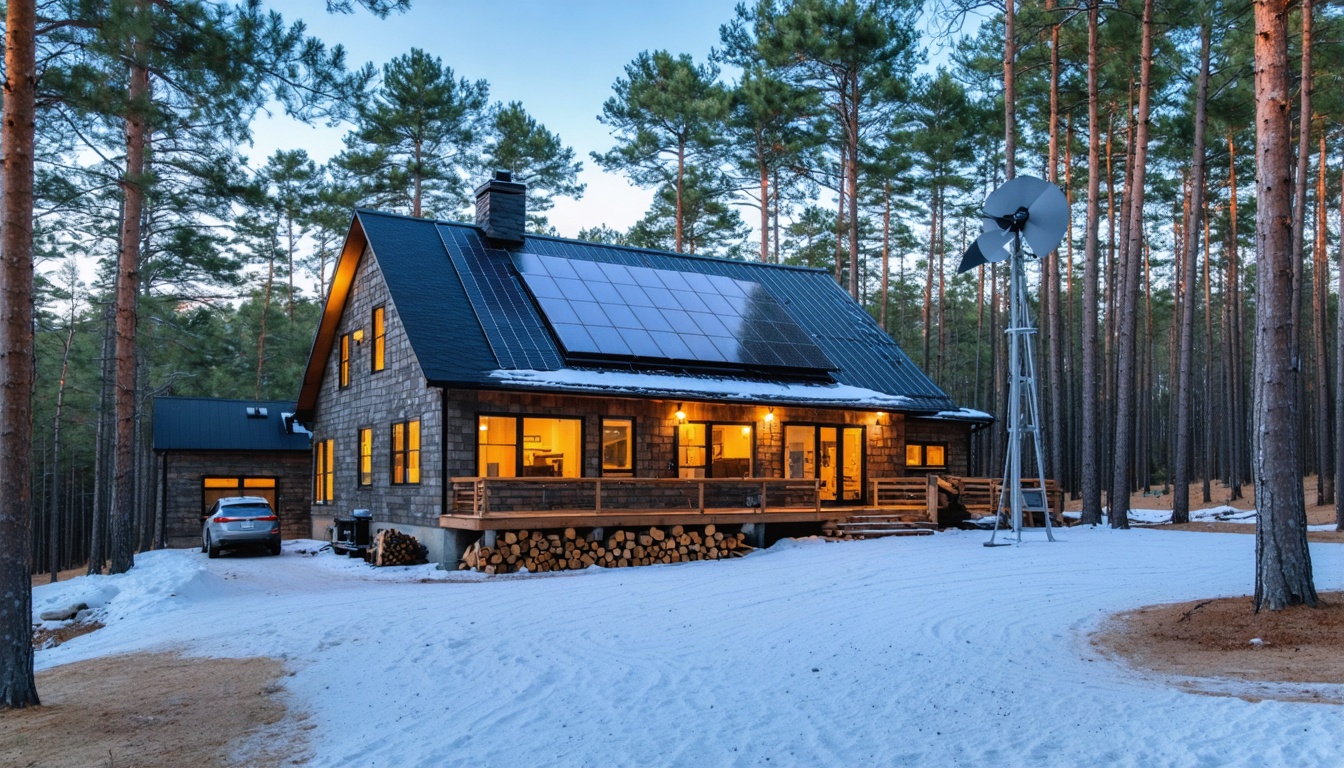
What a More Resilient Home Energy Plan Looks Like in New Hampshire
If you are considering enhancing your home’s energy security and reducing costs, it may be prudent to re-evaluate your current energy plan. New Hampshire is experiencing rising energy prices and increasingly variable weather patterns, making basic energy strategies insufficient. A more resilient approach can help ensure your home is both sustainable and self-sufficient. To successfully develop an effective home energy plan, it is important to follow practical steps based on data-driven analysis. First, assess your current energy usage. An energy audit can help identify areas where efficiency can be improved, such as insulation, appliances, and heating systems. Knowing where the bulk of your energy is consumed allows you to prioritize changes that will have the most significant impact. Next, consider investing in energy-efficient appliances and technologies. These may include Energy Star-certified products, smart thermostats, and high-efficiency heating and cooling systems. Although the initial investment may be higher, the long-term savings on energy bills can offset these costs. Incorporating renewable energy sources, such as solar panels, may also be a viable option. Solar energy can reduce dependence on traditional energy sources, and in some cases, net metering options are available in New Hampshire, allowing homeowners to benefit from excess energy produced. Additionally, explore options for energy storage systems, like batteries, which can provide power during outages or when demand is high. This capability can enhance energy security and allows for energy independence. Lastly, stay informed about local and state policies regarding energy efficiency and renewable energy incentives. New Hampshire offers various programs and financial incentives that can assist homeowners in their transition to more resilient energy systems. By following these steps, homeowners can adopt a more resilient energy plan that meets their needs while contributing to greater sustainability.
Addressing Energy Affordability and Efficiency Challenges
Energy prices in New Hampshire create considerable challenges for low- to moderate-income households, particularly those earning less than 60% of the State Median Income. To assist these households, various energy assistance programs are available to help mitigate the financial burden posed by energy costs.
Investments in energy-efficient upgrades—such as better insulation, effective air sealing, and improved heating and cooling systems—can result in lower utility bills and enhance safety in residences. Programs like NHSaves and the Weatherization Assistance Program offer services along with financial incentives to support these enhancements.
More detailed information regarding eligibility criteria and specific program details can be accessed through designated information and contact resources.
Eligible households may take advantage of a range of upgrades aimed at enhancing energy efficiency. Furthermore, common inquiries regarding privacy policies and participant rights are addressed to ensure clarity and transparency within these programs.
Requests for Proposals (RFPs) are employed to maximize the benefits provided by gas utilities, facilitating a broader reach and increased effectiveness of energy assistance initiatives.
Individuals seeking additional verification or support are encouraged to contact the relevant program representatives for more information.
Leveraging State and Federal Incentives for Home Upgrades
New Hampshire residents can access a variety of state and federal programs designed to enhance home energy efficiency while lowering costs. Homeowners interested in making upgrades may apply for financial incentives that reach up to $6,000. These incentives cover areas such as insulation, sealing, heating and cooling improvements, and the installation of fuel-efficient equipment, including Solar Installation Services in New Hampshire, which can further reduce energy costs and increase sustainability.
The state's weatherization assistance program places a particular emphasis on aiding low-income households. Individuals or families whose income falls below the State Median Income may qualify for additional support, including benefits that enhance their ability to make energy-efficient upgrades. Furthermore, eligible residents have the opportunity to obtain 0% interest loans that can amount to as much as $15,000.
For comprehensive information about these programs, including specific eligibility criteria and application processes, residents are encouraged to reach out for assistance or consult frequently asked questions available through official resources. It is important to note that privacy policies are in effect, and all rights related to the program are reserved. Overall, investing in building safety and efficiency measures can lead to improved service from natural gas utilities, which may further reduce long-term energy costs for homeowners.
Strengthening Energy Programs for Diverse Households
Expanding energy programs to include a broader range of households in New Hampshire represents a practical strategy to assist residents in managing utility costs and improving home comfort year-round.
Households with incomes below 60% of the State Median Income may be eligible for support through the NHSaves program or the Weatherization Assistance Program. These initiatives provide key updates such as insulation, air sealing, and enhancements to heating and cooling systems, all of which contribute to improved energy efficiency and lower utility expenses.
Collaborations with landlords also promote benefits for renters, fostering a more equitable approach to energy efficiency upgrades. The focus of these programs remains on safety, efficiency, and affordability, irrespective of the type of fuel utilized.
Those seeking additional assistance can reach out to the appropriate authorities for details on eligibility verification and available services. It is also prudent for individuals to familiarize themselves with the frequently asked questions, the Privacy Policy, and any pertinent real estate rights to gain a comprehensive understanding of the programs and their limitations.
Advancing Building Codes and Legislative Solutions
A methodical approach to improving home energy efficiency in New Hampshire is significantly linked to the state's building codes and associated legislative actions. Currently, New Hampshire follows the 2018 building energy code. Legislative proposals, including HB96 and SB4, are being discussed to introduce important revisions aimed at enhancing building energy standards.
In addition, the federal Inflation Reduction Act has made available $70 million in incentives that could help qualifying homeowners with various improvements, such as insulation, air sealing, and upgrading heating and cooling systems. These upgrades are intended to support broader objectives of increasing energy efficiency, lowering fuel expenses, and maintaining safety standards in residential structures.
For additional information, confirmation of details, or to request proposals, interested individuals are encouraged to make direct inquiries. Stakeholders can also find guidance on topics related to real estate, income, gas utilities, and the Privacy Policy in the frequently asked questions section.
Strategies for Sustainable and Resilient Energy Use
Developing resilient energy use in New Hampshire involves implementing strategies that maintain reliability while also providing long-term cost savings. Residents whose incomes fall below the State Median may qualify for various energy assistance programs and incentives available through the state.
These programs facilitate improvements such as enhanced insulation, sealing, and the installation of high-efficiency heating and cooling systems. Such upgrades can significantly reduce fuel costs and improve overall safety.
Comprehensive building audits can be conducted to identify potential upgrades, and residents may access incentives that can total up to $6,000, in addition to 0% financing options for those who meet qualifying criteria.
For further information on these programs, individuals are advised to contact relevant agencies, consult frequently asked questions, and review Requests for Proposals. It is also recommended to review the Privacy Policy to understand how personal information is managed.
Conclusion
Implementing a resilient home energy plan in New Hampshire can enhance energy security, provide cost management, and contribute to local sustainability efforts. Homeowners in the state can utilize available state and federal incentives, along with integrating smart technologies and participating in community programs, to gain more control over their energy consumption and production. Trends in the energy sector indicate a shift towards increased efficiency and renewable energy sources. By making informed choices regarding energy systems, homeowners can better withstand economic fluctuations and changing environmental conditions. This proactive approach can lead to a more stable and manageable energy expenditure. Furthermore, adopting a resilient energy plan may help address potential challenges in the energy market and ensure that homes remain comfortable and functional. As the energy landscape continues to evolve, a well-structured energy plan will be essential for adapting to future developments while maintaining cost-effectiveness.